

At first glance, the question sounds almost absurd. With national budgets, international affairs, legislative debates, and countless policy issues competing for attention, why would Congress be considering the purchase of vintage dinnerware? Yet the question opens the door to a fascinating discussion about history, preservation, public perception, and the value of objects that connect us to America’s past.
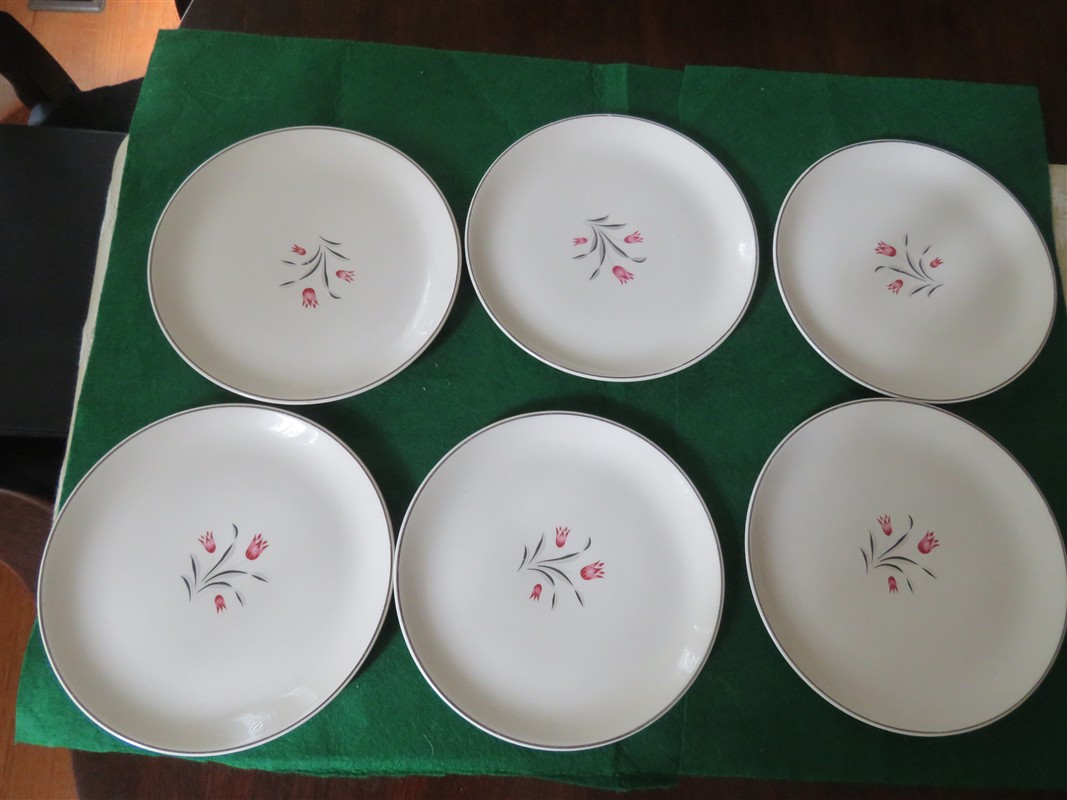
Government buildings are much more than offices where laws are written and debated. They are also symbols of national identity and important settings for official functions. Throughout American history, government institutions have hosted visiting dignitaries, foreign leaders, military officials, and distinguished guests. Formal dinners, receptions, and ceremonial events often require table settings that reflect the importance of the occasion. For this reason, many public institutions maintain collections of fine china, silverware, and decorative objects that represent the nation’s traditions and heritage.
Vintage dinnerware can play a unique role in preserving that heritage. Unlike many modern products, older pieces often showcase exceptional craftsmanship, hand-applied decoration, and manufacturing techniques that are no longer common. American dinnerware manufacturers such as Homer Laughlin, Lenox, Syracuse China, Buffalo China, and others supplied hotels, railroads, restaurants, and institutions throughout the twentieth century. Their products became part of everyday American life and now serve as tangible reminders of the country’s industrial and artistic achievements.
If Congress or another government institution were ever to consider acquiring vintage dinnerware, preservation would likely be one of the primary motivations. Historic objects help tell the story of a nation. Just as historic furniture, paintings, and architectural details are preserved in government buildings, vintage dinnerware can provide a direct link to earlier generations. Guests attending official events often appreciate seeing authentic pieces that reflect American history rather than generic contemporary tableware.
There are practical arguments that could support such a purchase as well. Surprisingly, vintage dinnerware is not always expensive. While rare patterns and highly sought-after pieces can command significant prices among collectors, many institutional-grade patterns remain affordable. In some cases, acquiring well-made vintage dinnerware could cost less than commissioning custom-designed modern china for ceremonial use. Vintage pieces were often produced to withstand heavy use in hotels and restaurants, making them durable as well as attractive.
However, there are challenges associated with using vintage dinnerware in official settings. One concern is replacement. When a pattern has been discontinued for decades, finding matching pieces can become increasingly difficult. Breakage is inevitable whenever dinnerware is used, and replacing damaged items may require searching antique dealers, estate sales, or specialty collectors. Conservation and storage also become important considerations. Historic pieces often require careful handling and environmental controls to ensure their long-term preservation.
Public reaction would undoubtedly influence any decision. Some taxpayers might view the purchase of vintage dinnerware as an unnecessary expense, arguing that government funds should be directed toward more immediate priorities. Others might see it differently, viewing the acquisition as a responsible effort to preserve American craftsmanship and cultural history. The debate would likely mirror larger discussions about the role of historic preservation in public life.
The question also reflects a broader trend beyond government institutions. Across the country, collectors, decorators, and homeowners have rediscovered an appreciation for vintage tableware. Many people are choosing older china and pottery over newly manufactured alternatives because of the quality, character, and uniqueness they offer. Vintage dinnerware often carries stories of family gatherings, holiday meals, and generations of use. Unlike disposable products designed for short-term convenience, these pieces were created to last.
For vintage dealers and collectors, the renewed interest is encouraging. What was once considered outdated by some buyers is increasingly viewed as sustainable, distinctive, and historically meaningful. Younger generations are beginning to appreciate the charm of mixing vintage pieces into modern homes, while experienced collectors continue to seek patterns that evoke memories of earlier times.
Whether or not Congress is actively considering the purchase of vintage dinnerware, the idea raises worthwhile questions about how we preserve history and what we choose to value as a society. Vintage dinnerware is more than a collection of plates and cups. It represents craftsmanship, tradition, and a connection to the people who used these objects before us. In an era often focused on replacing the old with the new, these enduring pieces remind us that some objects remain valuable not only for their function but also for the stories they continue to tell.