

The market for vintage dinnerware today is far different from what it was twenty or thirty years ago. At one time, almost every family registered for formal china, crystal, and silver when they married. Complete sets of dinnerware were passed down through generations and were often displayed proudly in china cabinets. Today, the market is more fragmented, more style-driven, and much more dependent on trends, nostalgia, and practicality.
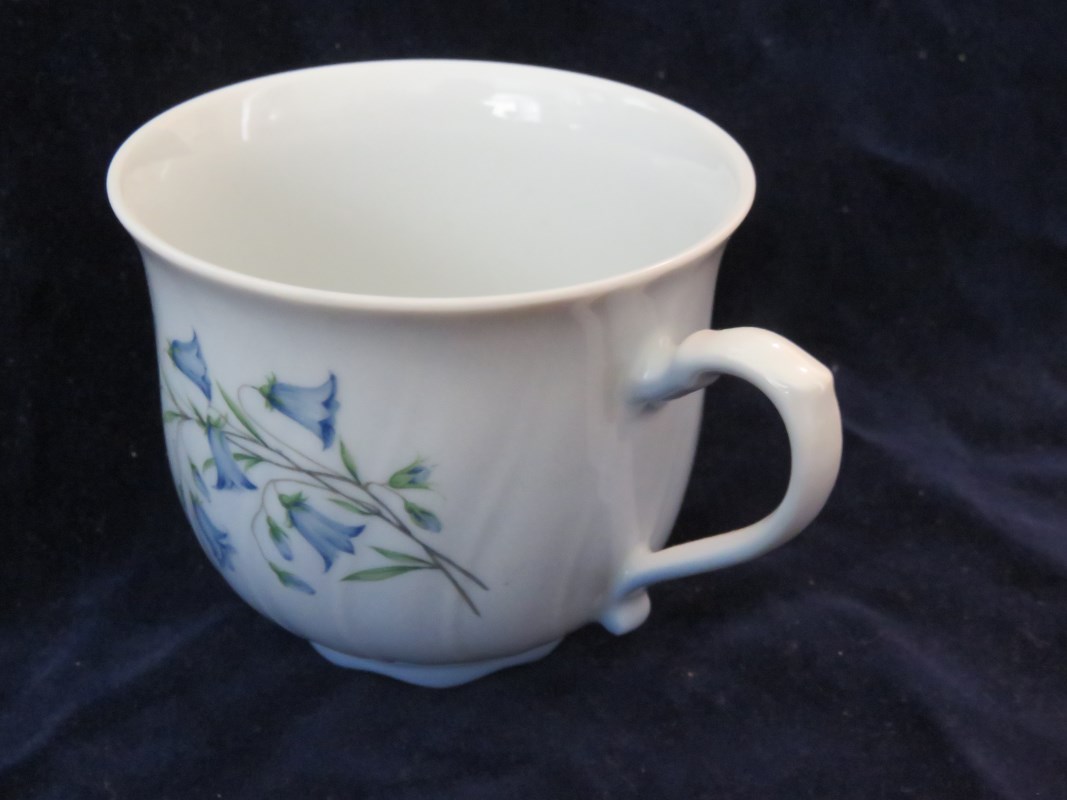
One of the strongest parts of the current market is mid-century and casual vintage dinnerware. Buyers are drawn to colorful stoneware, atomic-era designs, farmhouse styles, and cottage-inspired patterns. Brands such as Fiesta, Pyrex, Franciscan, Spode, and Wedgwood continue to attract collectors and decorators alike. Vintage Christmas china, transferware, restaurant ware, and hand-painted European porcelain also maintain loyal followings.
Younger buyers are influencing the market in important ways. Many people in their twenties and thirties are less interested in owning large formal sets but are very interested in unique individual pieces. Instead of buying a complete twelve-place setting, they may purchase four dinner plates, several mismatched salad plates, or a few serving pieces to create a personalized table setting. Social media platforms have also helped drive interest in vintage entertaining, thrifted décor, and nostalgic home design. Styles often described as “grandmillennial,” cottagecore, or vintage farmhouse have brought older dishes back into fashion.
At the same time, many traditional china patterns from the 1950s through the 1980s have softened considerably in value. Large formal sets from companies such as Noritake, Lenox, and Mikasa can be difficult to sell unless the pattern is rare or especially desirable. Younger households tend to have smaller homes, less storage space, and less interest in formal dining traditions. Shipping costs have also become a major factor. A complete china set can be expensive and risky to pack and ship, which pushes many sellers toward local pickup or smaller grouped sales.
Younger Buyers Are Reshaping the Vintage Dinnerware Market
Condition remains extremely important in today’s market. Buyers expect pieces to be free from chips, cracks, crazing, and dishwasher damage. Original color and gloss matter. Pieces that look fresh and usable tend to perform better than items that appear heavily worn, even if they are technically older or rarer.
Another major trend is replacement buying. Many collectors are not starting new sets but are instead searching for replacement pieces for patterns they already own. Single dinner plates, cups, saucers, gravy boats, and serving bowls often sell steadily because buyers want to complete inherited sets or replace broken items.
Overall, the vintage dinnerware market today rewards character, design, nostalgia, and usability more than simple age. Sellers who understand current decorating trends and buyer preferences usually perform much better than those relying only on the idea that “old equals valuable.”